ERP and internal operations software
Inventory, purchasing, orders, production tracking, staff tasks and reports in one system. We build the modules your process needs and leave out the ones it does not.

DigiRib is a software development company in Dhaka, Bangladesh that builds custom ERP, CRM, client portals, dashboards and web and mobile apps around how your business actually runs. Every project starts with a planning call and a written scope. Delivery then happens in stages, so you see working software early.
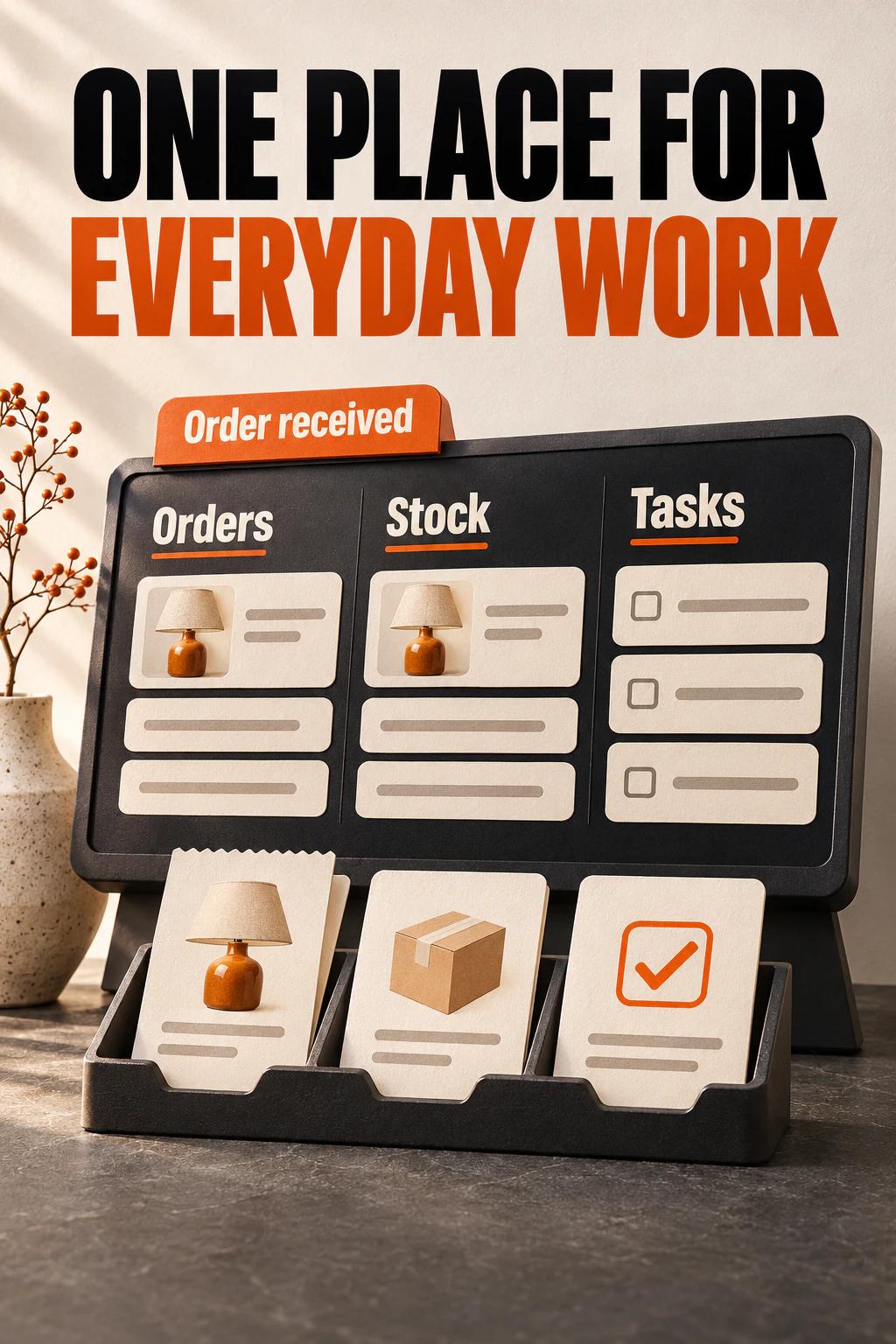
We build software for operations, sales and customer service. These are the system types we are asked for most and what each one usually contains.
Inventory, purchasing, orders, production tracking, staff tasks and reports in one system. We build the modules your process needs and leave out the ones it does not.
Lead capture, follow-up reminders, deal stages, quotes and activity history. Leads from Facebook forms, your website or WhatsApp can flow in automatically instead of being typed from a spreadsheet.
A login area where your customers or partners track orders, download invoices, submit requests or see project status. Your team sees the same data from an admin side.
Complete products with user accounts, payments and notifications, built as web apps first and extended to mobile when the use case needs it.
Payment gateways, SMS, WhatsApp Business API, courier services, accounting tools and your existing databases. Integrations are scoped per system so you know what talks to what.
Role based access so each person sees only their part, plus a clean database design on Supabase and PostgreSQL. Good structure now is what makes reports and later features cheap.
Stock, orders and customer details are copied between files, and one wrong paste breaks a report. A single system gives one source of truth and an audit trail of who changed what.
You bend the business around the software, or pay for modules you never use. Custom software mirrors your real steps, approvals and reports.
Undocumented code and a missing repository leave you stuck. We build with documentation and a clean code handoff, and we can review an existing system first and tell you honestly whether to extend it or rebuild.
We map your users, their daily tasks, the data involved and the integrations needed. You get a written scope that says what is in the first release and what waits.
Large systems are cut into stages, each one useful on its own. The first stage is usually the workflow that costs your team the most time today.
We build on Next.js, TypeScript and Supabase and show working screens at each stage. Changes are discussed against the scope, so cost and timing stay visible.
We test the flows your staff will actually use, import your existing records where needed and fix what breaks before anyone depends on it.
You receive documentation, credentials and the code we built. Post launch fixes and any maintenance retainer are written into the statement of work for your project.
Buy first when your process is ordinary. Accounting, payroll, basic email marketing and standard ecommerce are solved problems, and a subscription tool will usually be cheaper and safer than anything we write. We will say so on the planning call, even if it means no project for us.
Build when the process is the business. Typical signs are custom pricing or approval rules, several systems that must share data, customers who need their own login, or a workflow so specific that every tool you try needs workarounds. In those cases the cost of a tool that almost fits shows up every day in staff time.
When you compare software development companies in Dhaka, ask three plain questions. Who owns the code and repository at the end. How is work delivered, in stages you can see or in one long build. What happens when something breaks after launch. Written answers matter more than a sales deck.
Scope is where budgets are won or lost. A system with fixed modules and clear acceptance rules can be planned tightly. A system where the process is still being discovered is better delivered in short stages, with the scope refined as you use the first release. We prefer that second path when requirements are unclear, because it stops you paying for features nobody uses.
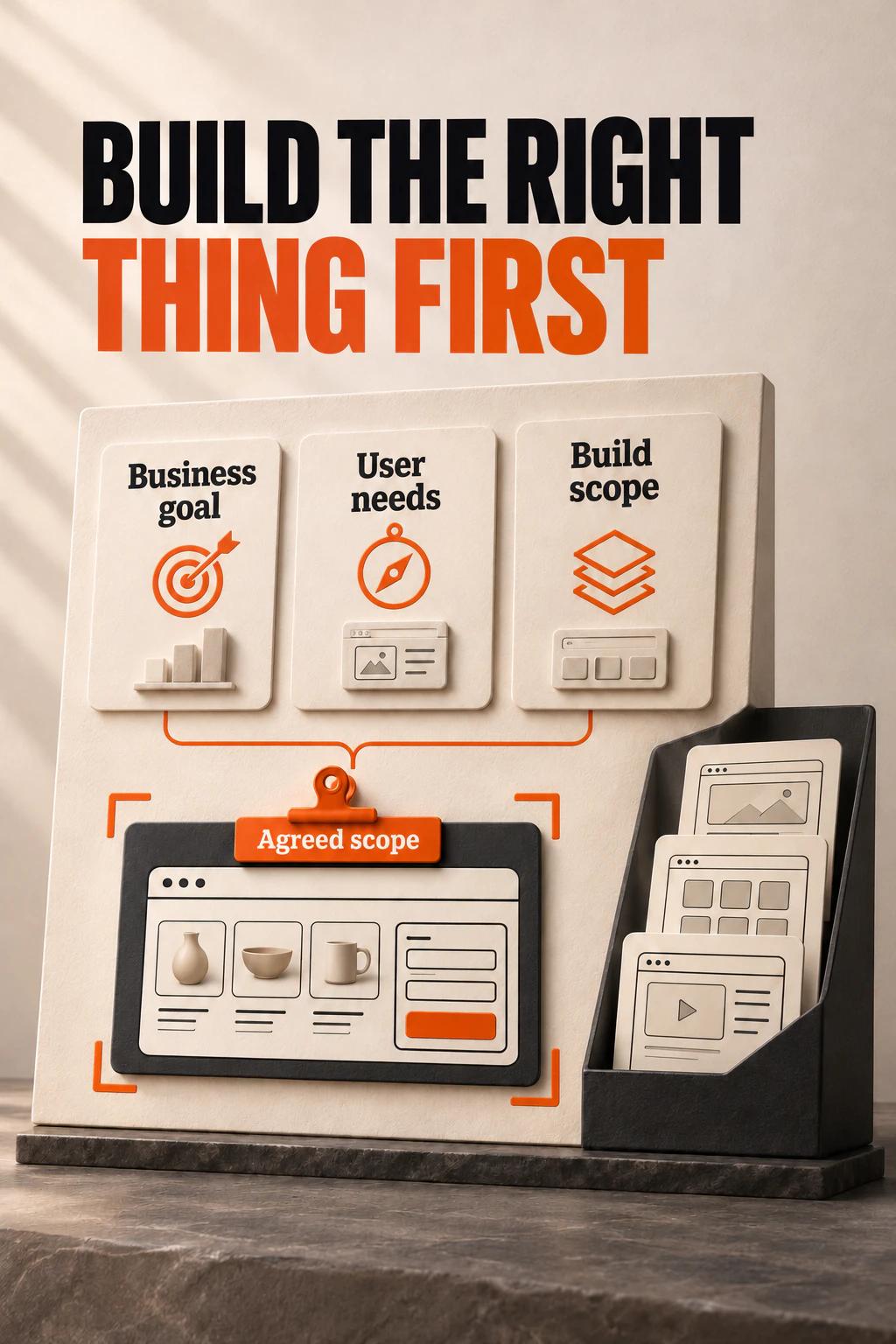
Custom software has no fixed price list because every system is different. We scope it on a planning call, then quote against the written scope. If you only need a website, the Custom Website price below applies.
Custom
ERP, CRM, complete apps, client portals and dashboards, with integrations and role based access, delivered in stages and priced after a planning call.
From ৳50,000
one time
A business site or store built from scratch with an admin panel, for projects that need a website rather than a full system.
Your quote covers the scope we agree in writing. Hosting, third party service fees and ad spend are separate.
We build marketing sites, web apps and portals with the Next.js App Router, TypeScript and Supabase.
Learn more →We build online stores with a product catalog, cash on delivery, mobile wallet and card checkout, courier handoff and an admin panel your team can run without a developer.
Learn more →We map the manual job, build it in n8n, connect your tools, add error alerts and host it, so lead capture, CRM sync, orders and reports run without someone copying data by hand.
Learn more →DigiRib builds high-performance websites, client portals, and custom web applications with Next.js, TypeScript, and Supabase when the project needs them.
Learn more →Look at the websites and systems DigiRib has built.
Learn more →Describe your process and get a scoped plan.
Learn more →
Build or buy? A decision matrix, a per-user cost break-even in BDT, when off-the-shelf wins, when custom wins, and what a custom system should run on, including Postgres and Supabase.

Custom website vs WordPress vs Wix compared on cost over three years, speed, SEO, security and control, with a decision matrix and a migration checklist for Bangladeshi businesses.

Seven n8n automation workflows for Bangladeshi businesses, from lead capture to Messenger handoff and WhatsApp order updates, with step-by-step designs, failure handling and published costs.

Five AI automation workflows for Bangladeshi small businesses: order logging, courier updates, lead replies, owner reports and a support assistant, with a pilot rule and honest costs.